
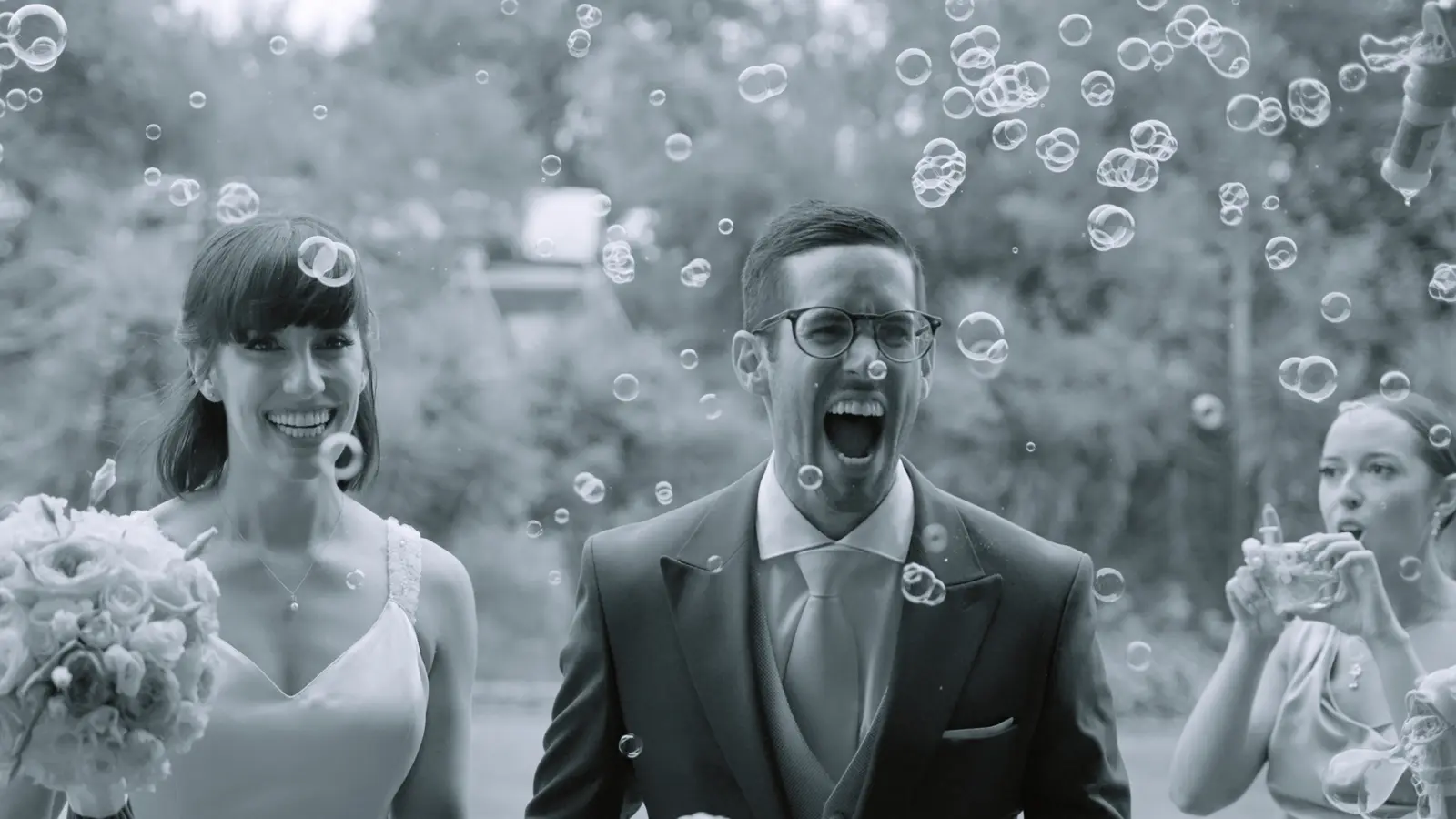
Vows, speeches and real sound: why audio matters in a wedding film
Why real sound matters in a wedding film: how vows, speeches and atmosphere are recorded, backed up and mixed, and what couples can share to help.
- 01
Voices give images a meaning that belongs to one couple only.
- 02
Good wedding audio combines several sources so that no single failure costs a moment.
- 03
Wireless signals are convenient but vulnerable, so important moments should also be recorded locally.
- 04
Music should support the atmosphere and the words, not replace them.
- 05
Sharing the programme, the speakers and any changes is the most useful thing a couple can do for sound.
Quick answer
Audio matters in a wedding film because voices carry what images cannot: the exact words of the vows, the pause before a joke in a speech, the laugh of someone who may not be there in twenty years. Good wedding sound comes from planning, not luck: knowing the programme, placing discreet microphones early, keeping more than one recording of every important moment and mixing so the words stay clear without erasing the atmosphere. Couples help most by sharing who will speak, where and when.
Some of the most beautiful wedding images gain new meaning when we hear a breath, an unexpected line or the voice of someone important. Real sound is not a technical detail. It is part of the memory, and often the part that becomes more precious with time.
Voices create closeness
A hand being held is a beautiful image. Paired with the sentence spoken at that moment, it becomes a specific memory that belongs to one couple and no one else. Vows and speeches give context to gestures that pictures alone cannot explain.
Sound also shapes the structure of the film. One line from the vows can open the story, return during the first dance and close the final scene. When the rhythm of the edit comes from people speaking, rather than from music alone, the film feels less like a montage and more like being there again.
| Source | Role in the film | Useful preparation |
|---|---|---|
| Vows | Intimacy and commitment | Confirm ceremony format and positions |
| Speeches | History and relationships | Know when and where they happen |
| Atmosphere | Place, energy and transitions | Protect key moments from avoidable noise |
| Interview or letter | Personal context | Reserve time and privacy |
| Music | Rhythm and atmosphere | Integrate it without covering important voices |
Capture must be planned before the day
Ceremonies, celebrants, musicians and venue sound systems vary widely. A civil ceremony in a garden, a Catholic mass in a stone church and a symbolic ceremony on a terrace above the sea each present different problems. There is no universal setup, so the locations and programme need to be known in advance.
The usual building blocks
A wedding crew typically combines several sources so that no single failure costs a moment:
- Discreet body microphones on the people speaking, usually one partner and the celebrant during the ceremony.
- A feed from the sound desk when the venue or band runs a PA system, so that speeches made into the house microphone are recorded directly.
- Independent recorders placed near the lectern, the altar or the speakers' table.
- Ambient recording from the camera positions, capturing the room, the applause and the reactions.
Each source has strengths and weaknesses. The body microphone is closest to the voice but can pick up clothing. The desk feed is clean but depends on how the venue sets its levels. Ambient sound is natural but distant. Together, they give the editor options.
Microphone placement and comfort
Body microphones need to be placed safely and comfortably, ideally before the ceremony begins and without interrupting preparations. Shure's guide to lavalier microphones explains that a lavalier generally sits near the chest, and that proper placement helps achieve clear, natural audio while reducing issues caused by clothing, movement or background sound. On a wedding day that means choosing the position together with the outfit: a suit lapel is easy, a structured dress or a silk shirt needs more care.
A good crew will explain where the microphone goes, check that it does not show in the frame and make sure the person wearing it can forget it is there.
Redundancy: why one recording is never enough
Vows are said once. That is why experienced teams record important moments on more than one device. Wireless systems are convenient, but they are also vulnerable. In its guide to troubleshooting wireless dropouts, Shure lists radio frequency interference, line-of-sight problems and the effect of people and metal objects among the causes of dropouts. A wedding venue full of guests, a band with its own wireless microphones and dozens of phones is exactly that kind of environment.
So the safer approach is to record locally as well, close to the voice, and to treat the wireless signal as a convenience rather than the only copy.
Levels and unexpected peaks
Weddings swing between whispers and cheers within seconds. Some modern field recorders use 32-bit float recording to deal with this. Zoom explains that with 32-bit float there is no need to set gain on the fly, and that peaks which look or sound clipped on playback can be brought back down in editing because the underlying data is still there. It is a useful safety net, not a substitute for good placement: a microphone in the wrong place still records the wrong sound.
Discretion and reliability on the day
Equipment should interfere as little as possible. Microphones are placed early, tested and supported by alternative recordings, and the crew stays out of the couple's line of sight during the ceremony. Even so, wind, clothing, distance or venue equipment can still affect the result, which is why planning matters more than any single piece of gear.
For speeches
The team needs to know the order of speeches, where each person will stand and what kind of microphone the venue provides. A speaker who walks away from the house microphone, or who holds it at their waist, can be partly saved by a recorder near the table and the camera's own audio. This preparation can happen quietly, without making anyone feel they are in a recording session.
Outdoors
Wind is the main enemy of outdoor sound. Windscreens on microphones, positions sheltered by people or structures and an extra recorder near the celebrant all help. If you are choosing between two outdoor spots, ask your film team which one is acoustically kinder.
Common mistakes that cost sound
Most lost audio at weddings comes from small, avoidable decisions rather than equipment failure:
- A speech moved at the last minute to another room or outside, without the film team knowing.
- The band's sound check running into the ceremony, or background music left playing under the vows.
- A celebrant who prefers no microphone and was never asked in advance, leaving only distant ambient sound.
- Speeches scheduled during service, with cutlery, plates and conversation competing with every word.
- A microphone hidden under several layers of clothing, where fabric rubs against it at every movement.
None of these needs a technical solution from the couple. They only need someone, usually the planner or a trusted friend, to keep the film team informed when plans change.
Music does not replace atmosphere
Music guides emotion, but applause, footsteps, laughter and the tone of the room give the day texture. A film made only of music and slow motion can be beautiful and still feel like it could belong to anyone.
A balanced mix keeps words clear without removing the space around them. Silence also has value: the second after the vows, before the guests react, can say more than any soundtrack. The goal is not to make everything perfect. It is to preserve presence.
How real sound works inside the edit
In post-production, the editor listens to everything before building the story. A sentence can open the film, connect two parts of the day or play over images from another moment. Editing looks for clarity and emotion without removing every pause, imperfection and texture that makes a voice recognisable.
Sound work includes cleaning unwanted noise where possible, balancing voices with music and making sure the levels feel consistent from start to finish. The final film should sound like your day, only easier to listen to.
If you are deciding which deliverables suit you, our guide to teaser, highlights or a full film explains how much room each format leaves for vows and speeches.
What the couple can prepare
You do not need to rehearse emotion. Capture simply needs to be ready when it happens. A short message to your film team a few weeks before the wedding solves most problems.
Information worth sharing before the wedding
- Civil, religious, symbolic or multiple ceremonies.
- Personal vows and their expected format.
- Planned order of speeches.
- Live music and venue sound systems, with contacts for the technicians.
- People who may prepare a surprise.
- Microphone and movement restrictions set by the venue or celebrant.
- Moments whose sound should be preserved in full.
Share the logistics of surprises without revealing the content
If a letter, speech or live performance is planned, a trusted person can share only the time and location. The team can prepare sound without spoiling the surprise.
Privacy is part of the creative decision
Not every spoken moment needs to enter the film or be published. Private vows, a speech that mentions someone who has died or a family story told in confidence may belong in the full film you keep at home and nowhere else. Discuss limits, sensitive stories and exposure before the day, and say whether any part of the film may be shared publicly.
Preserving real sound also means treating intimacy with care.
How SweetVision approaches sound
SweetVision is the wedding film brand of DropMedia, a production team based in Sobral de Monte Agraço that also films events and company films, where reliable sound is just as critical. For weddings we plan audio in the same way: we learn the programme and the venue, prepare sources and backups, capture discreetly and give the voices their place during editing and mixing.
If you are still comparing teams, our guide on how to choose a wedding videographer includes the questions about sound worth asking in the first call. You can also see the collections on the SweetVision page or tell us which sounds you want to remember.
With time, a voice may become the rarest part of a film. Caring for audio means preserving not only what the day looked like, but how it sounded while it was still happening.
References
- Shure: How to choose the best lavalier microphone
- Shure: Troubleshooting wireless dropouts in 10 simple steps
- Zoom: 32-bit float, everything you need to know
Frequently asked questions
Are vows always included in the film?
It depends on the format you choose and on what you are comfortable sharing. Vows are always planned for in capture, so the words that matter can enter the story; private vows can stay in the full film only.
Can speeches be recorded without a sound desk?
Yes, with body microphones, independent recorders near the speaker and ambient sound. When a desk exists, a feed from it adds another reliable source for the mix.
Will we see microphones in the film?
A careful crew hides body microphones under or behind clothing where possible and checks the frame before the ceremony. The aim is that neither you nor your guests notice them.
What if the celebrant does not allow microphones?
Ask early so the team can plan alternatives, such as a recorder placed nearby and stronger ambient coverage. The sound may be more distant, but it can still be preserved.
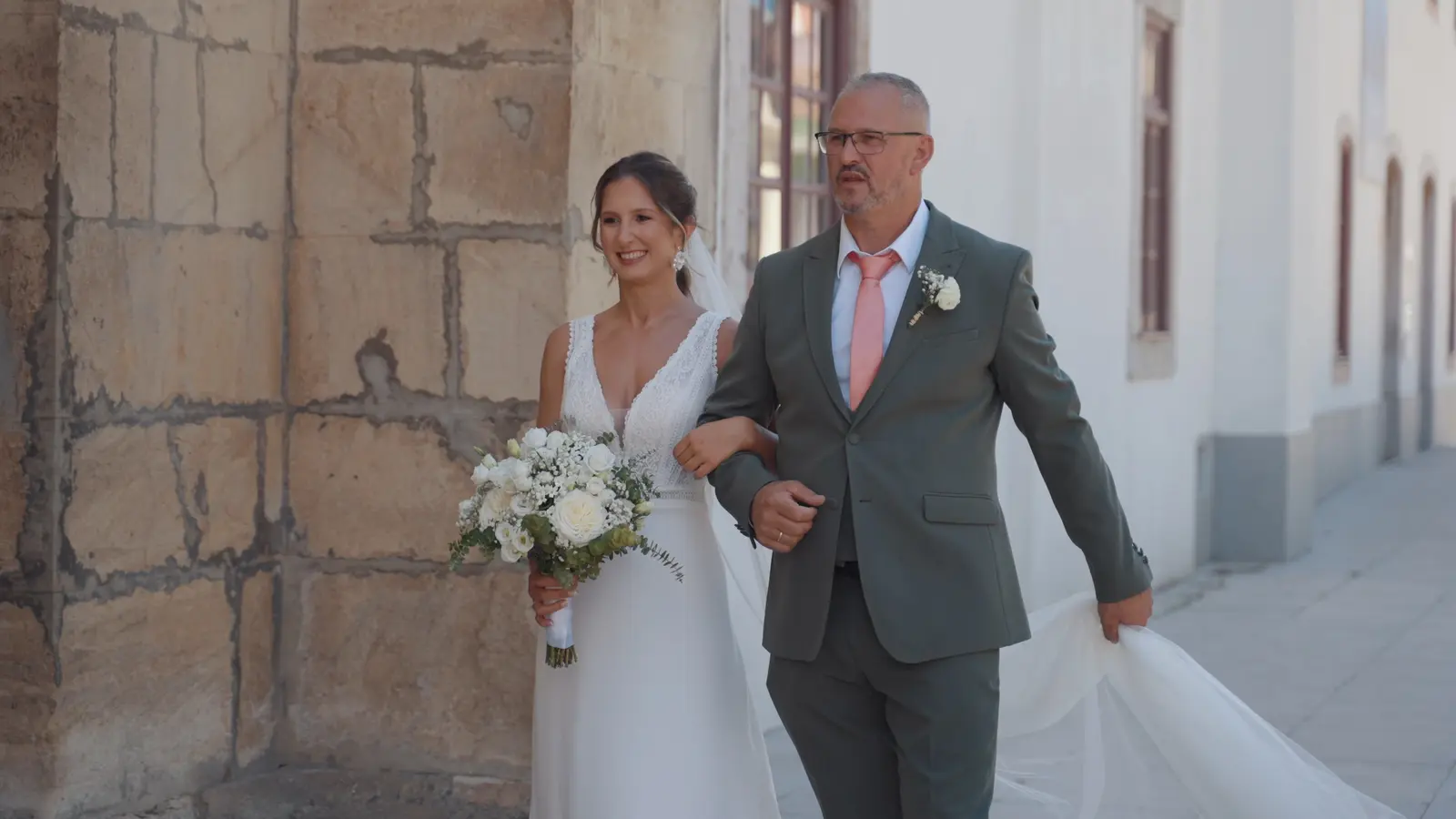 SweetVision
How to choose a wedding videographer
How to choose a wedding videographer: watch full films, ask about presence and sound, and confirm deliverables, timings and fair terms before you book.
- wedding videographer
- wedding film
- wedding video
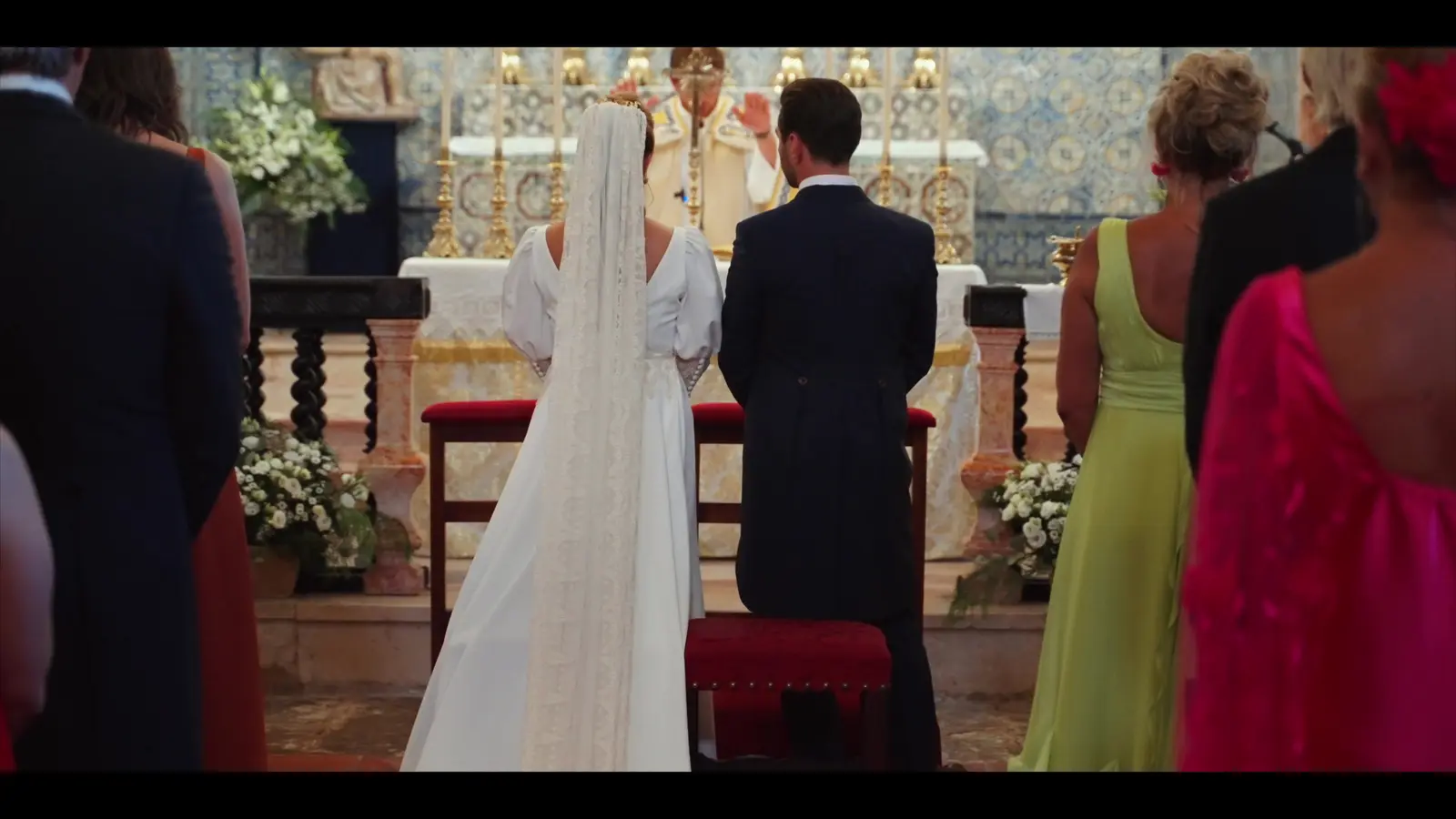 SweetVision
Wedding film: teaser, highlights or Film Collection?
Teaser, highlights or Film Collection? Understand what each wedding film is for, how your choice shapes filming and how to keep the films safe.
- wedding film
- wedding teaser
- highlights
 Strategy
Company film: how to turn a business into a clear story
A practical guide to a company film with one audience, one central idea, real evidence, useful interviews and versions planned for every channel you use.
- company film
- corporate video
- business storytelling