
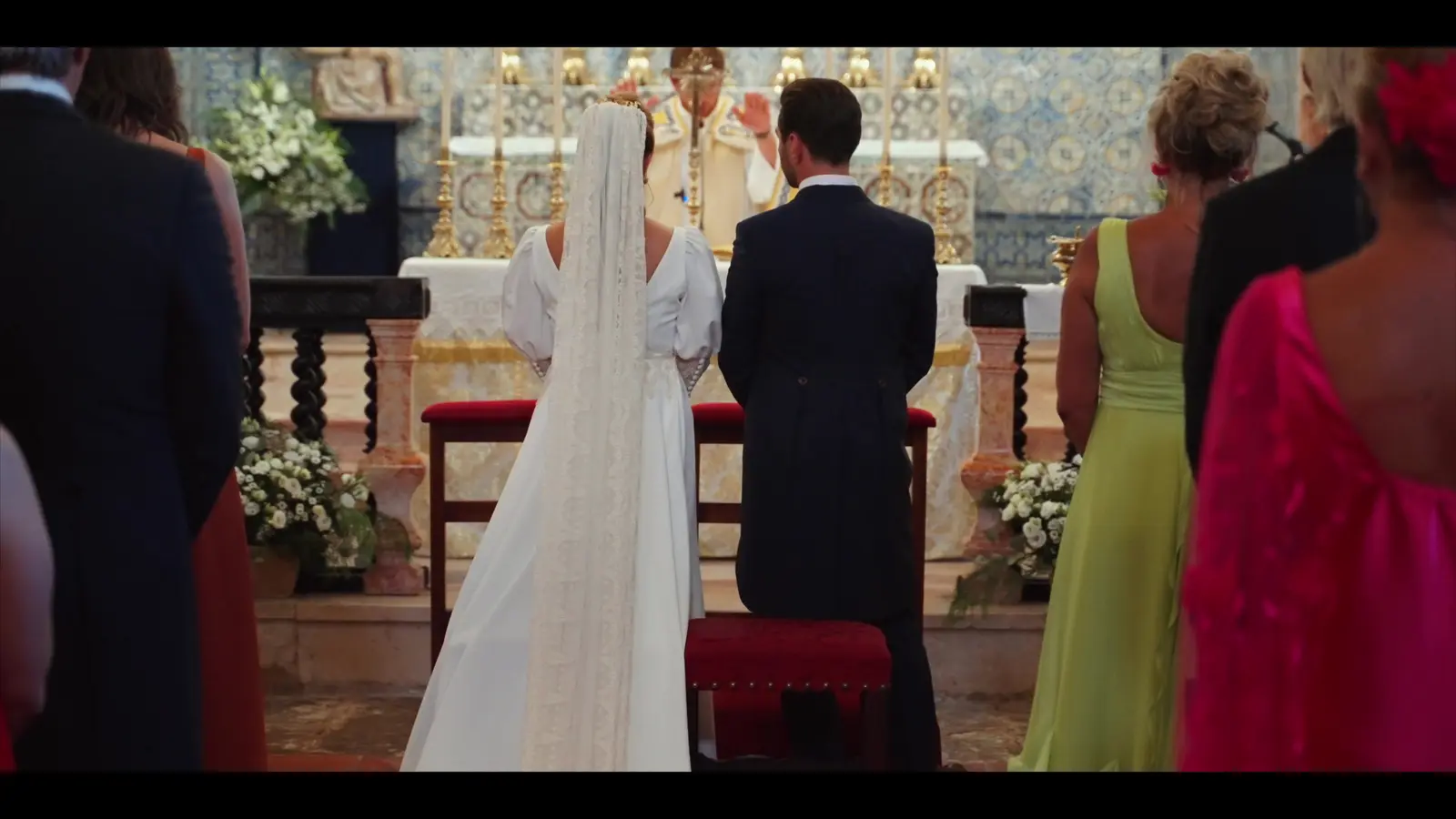
Wedding film: teaser, highlights or Film Collection?
Teaser, highlights or Film Collection? Understand what each wedding film is for, how your choice shapes filming and how to keep the films safe.
- 01
A teaser creates a short memory that is easy to share, but it does not replace the main film.
- 02
A highlights film tells the emotional arc of the day and depends on choosing real sound, vows and gestures.
- 03
A Film Collection pairs the narrative with full recordings that gain value over time.
- 04
Collection and extras should be decided before the final schedule, because they change cameras, sound and crew on the day.
- 05
After delivery, keep several copies on different media and in different places.
Quick answer
A teaser is a short piece to share soon after the wedding, a highlights film tells the emotional arc of the day in a concentrated story, and a Film Collection brings the main film together with longer records such as the ceremony or speeches. They do not compete: they serve different ways of returning to the day. The right choice depends on what you value most (real sound, vows, family, the party) and how you imagine watching the film many years from now.
Choosing a wedding film should not start with a table of minutes. It should start with the way you want to return to the day: a quick memory to share, a focused narrative or a wider record of voices, gestures and moments. This guide explains the role of each format, how your choice affects filming and which questions are worth asking before you decide.
The three formats in detail
Teaser
A teaser is short and immediate. It brings together strong signals from the day, such as movement, atmosphere, a look or a line of speech, and works well for sharing soon after the event. It is not designed to tell everything. It opens the memory and creates a first emotional impression.
Many couples use the teaser to show the wedding to family who could not attend, or to share it on social media. If that sharing will happen mostly on a phone, it is worth asking the team about a vertical version. On YouTube, for example, vertical or square videos of up to three minutes are treated as Shorts, according to YouTube Help. A version designed for that format avoids improvised crops.
Highlights film
Highlights build a more complete arc. Preparation, ceremony, portraits, celebration and real sound can form a story with a beginning, development and close. It is the right format for reliving the atmosphere without following every moment in full.
What sets a good highlights film apart is the edit: which lines from the vows or speeches carry the story, which family gestures stay in and where the music gives way to real voices. This is where a team's style shows most. We explore that balance in our article on real sound, vows and speeches in a wedding film.
Film Collection
A collection can bring the main film together with complementary pieces such as the ceremony, speeches or extended moments. Its value is the ability to revisit both the crafted narrative and records that become more meaningful over time.
Over the years, the full recording of the ceremony or a grandparent's speech often gains a weight that did not seem obvious on the day itself. The authored film preserves the emotion; the full recording preserves the complete words and the people as they were.
When the simplest collection is the best one
More deliverables do not automatically create more memory. A couple who know they will mostly watch their film on their anniversary, on a quiet evening at home, may be better served by one well-crafted film than by several pieces they rarely open. On the other hand, couples with a large family, many speeches or a ceremony with long rituals may miss the full recordings years later. Choose the pieces that match how you genuinely imagine returning to the day, not what looks most complete on a list.
Compare the experience, not only the running time
Duration helps describe a deliverable, but it does not explain the role of each film. Ask what each piece can preserve, how it uses real sound, which moments enter the story and whether complementary full recordings are included. A collection is a group of memories with different purposes.
| Format | Best suited to | What to expect |
|---|---|---|
| Teaser | First viewing and easy sharing | Short rhythm, atmosphere and strong signals |
| Highlights | Revisiting the emotional arc | Concentrated story with sound and key moments |
| Main film | A more developed narrative | More context, relationships and progression |
| Full recordings | Preserving ceremony or speeches | Extended coverage of selected moments |
SweetVision collections
At SweetVision, DropMedia's wedding film brand, the options are organised into three collections: Essential, Sweet and Film. They differ in depth of coverage and in the set of pieces delivered, which can include a teaser, highlights and the full film. The exact composition of each collection and the available extras are set out in the proposal, based on the date, locations and schedule of your day. You can find the detail on the SweetVision services page.
How to choose
Consider what matters most: real sound, vows, speeches, family, the energy of the party or a short piece to share. Discuss how visible you want the production to be. An intimate film can exist without turning the day into an intrusive set.
Questions to answer together
- Do we want a piece we will revisit often or a broader archive?
- Are vows, speeches and real sound a priority?
- Do we enjoy sharing, or do we prefer a private delivery?
- Which people and relationships need room in the story?
- Are the ceremony and reception in the same place?
- Do we want complete moments in addition to an authored film?
Three common scenarios
An intimate wedding with few guests. A carefully made highlights film, with room for vows and real sound, is often enough. The teaser may be unnecessary if the couple do not plan to share.
A wedding with many speeches and a large family. Here it makes sense to consider full recordings. The words of those who speak gain value over time and rarely fit in full into a short narrative.
A couple who want to share early. The teaser meets the wish to show the day in the following weeks, while the main film follows its own editing timeline.
Common mistakes
- Choosing by total running time rather than by what each piece preserves.
- Assuming the teaser replaces the main film.
- Asking for full speeches after the wedding, when filming was not planned for them.
- Adding extras that nobody watches again.
If you are still comparing teams, our guide on how to choose a wedding videographer helps you work out which questions to ask.
Extras should solve a real need
A save-the-date film, drone footage, a second professional, extended coverage, social versions or full recordings can be useful depending on logistics and priorities. Each extra should have a clear function: cover simultaneous preparations, establish context, preserve a longer moment or make sharing easier.
Drone footage is a good example. It can show the estate, the landscape or guests arriving, but it has limits. In the EU open category of drone operations, the subcategory that allows flying over people does not include flying over assemblies of people, as EASA explains. At a wedding, this means aerial shots are planned for context and landscape, not over the guests, and always depend on the venue and conditions.
The choice affects production planning
If a full ceremony, speeches or preparations in two locations are part of the delivery, the team organises sound, cameras and positions from the start. A late request may depend on material that was not captured for that purpose. Collection and extras should therefore be aligned before the final schedule.
In practice, a full ceremony recording calls for fixed cameras that keep rolling, dedicated sound for whoever is speaking and positions agreed with the officiant. Preparations in different places at the same time call for a second professional. None of this can be improvised on the day.
The team's presence stays the same: at SweetVision we observe rather than stage. More coverage does not mean more intrusion; it means more planning to be in the right place without interrupting.
From the wedding day to the films
Understanding the production path helps you set realistic expectations for each format. The work follows the same phases DropMedia applies to any project: briefing, pre-production, capture, post-production and delivery.
- Briefing. A conversation about the couple, the important people, the style you are looking for and what you want to keep.
- Pre-production. Timings, locations, rituals, planned speeches and sound points. This is where the collection and extras become a concrete plan.
- Capture. The team follows the day discreetly, sticking to the plan without forcing moments.
- Post-production. Selection, editing, colour grading and sound. A short teaser may be ready first; highlights and the main film need more time for listening and choosing.
- Delivery. The films arrive in the agreed formats, in a gallery designed for watching and downloading.
A meeting before the big day
A few weeks before the wedding, a final conversation avoids surprises. Bring the final schedule, the names of everyone giving a speech, the venue manager's contact and any surprise moment prepared by friends or family. Tell the team what you do not want filmed: some couples prefer to keep preparations private or leave certain relatives out. These notes matter as much as the choice of collection, because they define where the team should be and where it should give space.
After delivery
Confirm how the films are presented, how long the gallery remains available and how downloads work. Keep personal copies in more than one place. A delivery gallery should make it easy to return to the films without turning an intimate memory into a search through file links.
Keep the films safe
A simple rule recommended by the US cybersecurity agency CISA is the 3-2-1 rule: three copies of important files, on two different types of storage (for example, a hard drive and the cloud), with one copy stored off-site. It was written for businesses, but it applies just as well to your wedding film.
Share without overexposing
If you want to show the film to family and friends without making it public, platform privacy settings help. On YouTube, an unlisted video can be seen and shared by anyone with the link, while a private video can only be seen by you and whomever you choose, according to YouTube Help. Decide together what you want to share and with whom.
References
- YouTube Help: how videos are categorised as Shorts
- EASA: Open Category, Low Risk, Civil Drones
- CISA: Back Up Business Data
- YouTube Help: change video privacy settings
Frequently asked questions
Does a teaser replace the main film?
Usually not. The teaser is a short piece designed for sharing; the main film has time to develop the story and include vows, speeches and real sound.
Can the ceremony and speeches be included in full?
Yes, when the chosen collection includes those records or they are agreed as complementary pieces in the proposal. It is best decided before the wedding, as they need dedicated cameras and sound.
Can we add extras after booking?
Generally yes, as long as it is before the final schedule. Requests made after the wedding depend on material that may not have been captured for that purpose.
How should we store our films after delivery?
Download the files and keep several copies on different types of storage, with at least one away from home, for example in the cloud.
 SweetVision
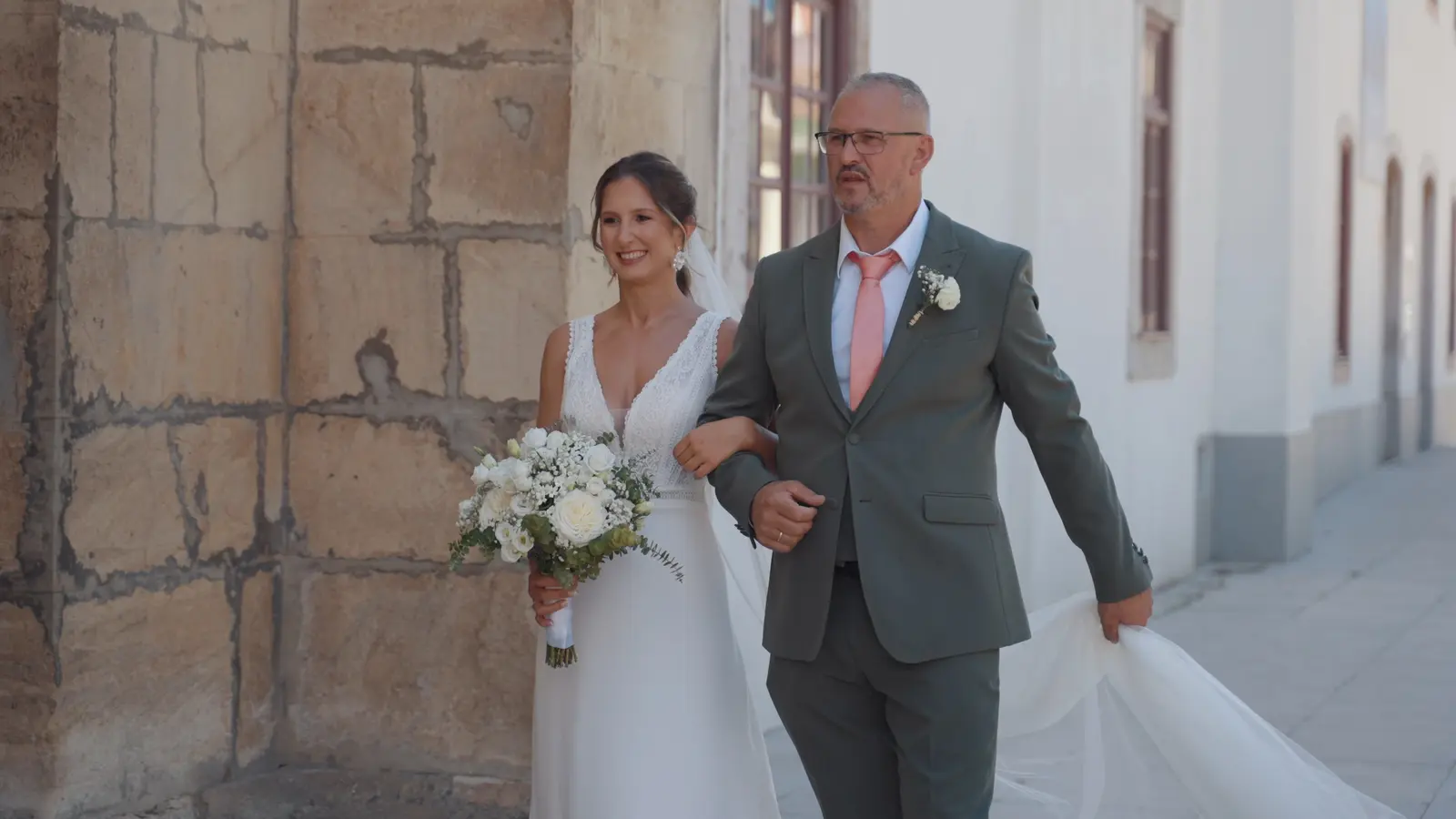
How to choose a wedding videographer
How to choose a wedding videographer: watch full films, ask about presence and sound, and confirm deliverables, timings and fair terms before you book.
- wedding videographer
- wedding film
- wedding video
 SweetVision
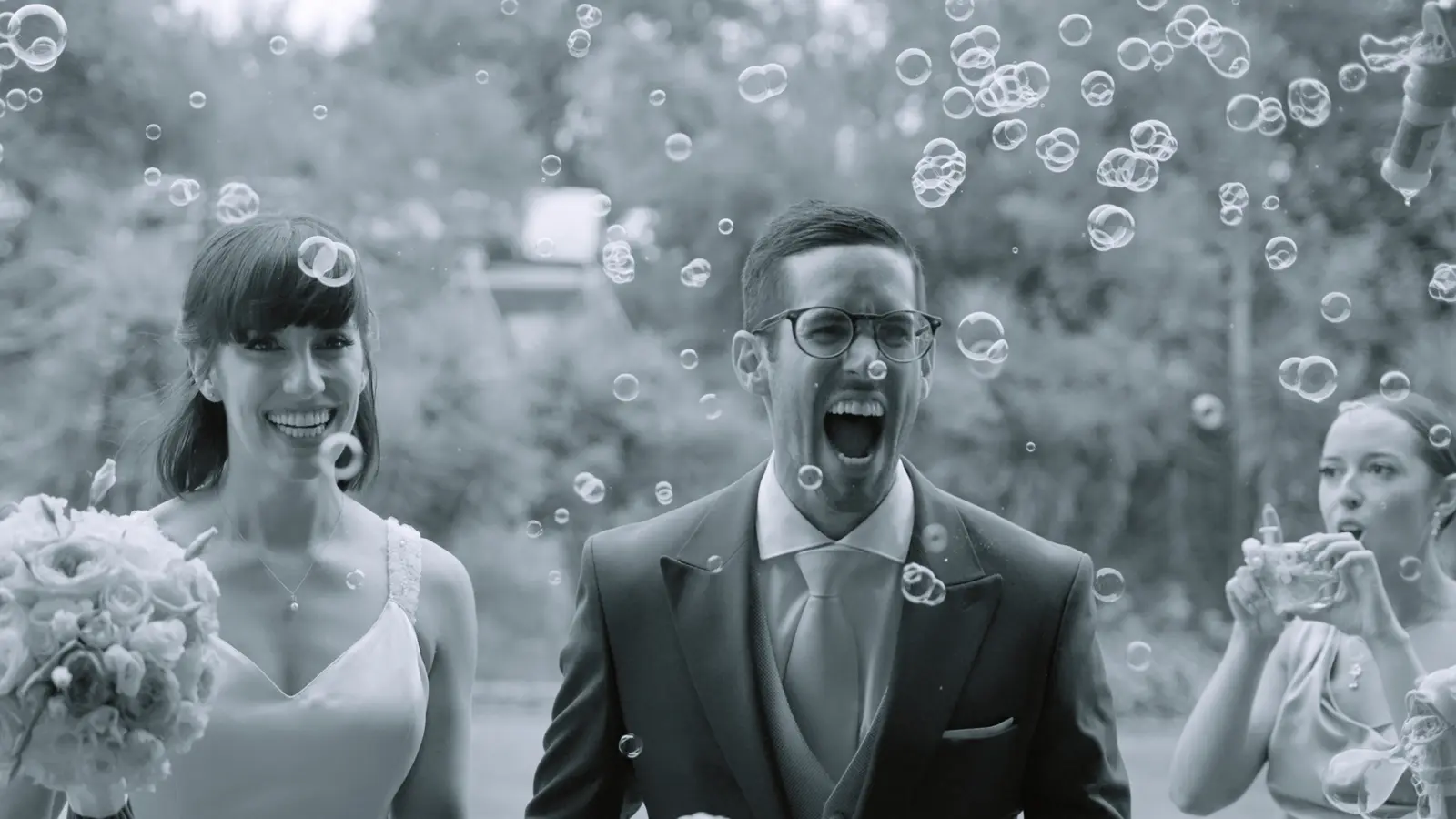
Vows, speeches and real sound: why audio matters in a wedding film
Why real sound matters in a wedding film: how vows, speeches and atmosphere are recorded, backed up and mixed, and what couples can share to help.
- wedding audio
- vows
- speeches
 Strategy
Company film: how to turn a business into a clear story
A practical guide to a company film with one audience, one central idea, real evidence, useful interviews and versions planned for every channel you use.
- company film
- corporate video
- business storytelling