
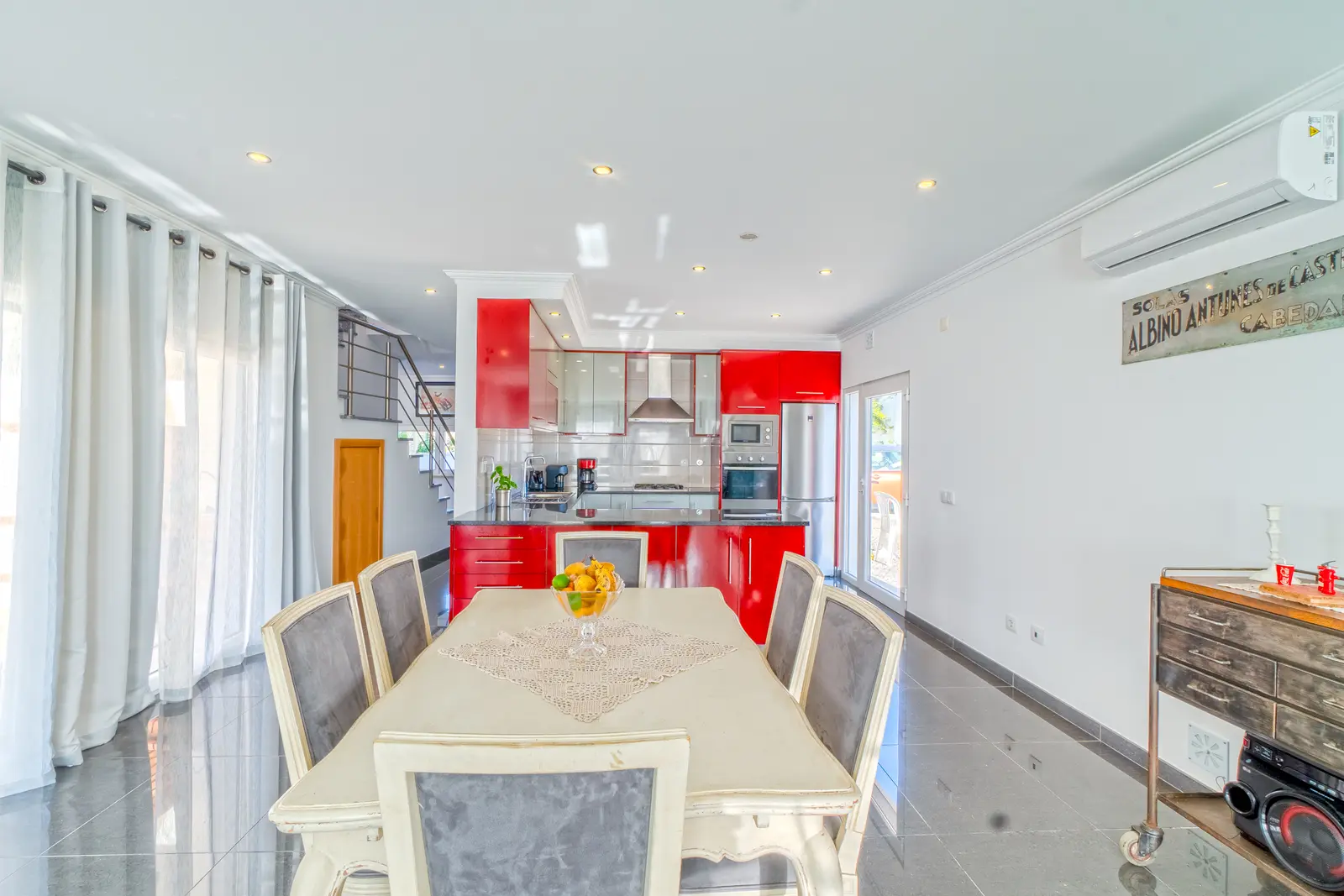
Checklist for preparing a property for video and photography
A practical checklist to prepare a property for video and photography: staging, exterior, privacy, light, access and how to organise the shoot day.
- 01
Most property preparation happens in the days before the shoot, not on the morning itself.
- 02
Remove distractions and personal information without emptying rooms, because furniture shows scale.
- 03
Consistent bulbs, clean glass and agreed blind positions protect continuity between video and photography.
- 04
Sharing the floor plan, priorities and restrictions in advance lets the crew plan the order of work around the light.
Quick answer
To prepare a property for video and photography, clear distractions without emptying the home, fix and match the lighting, confirm access and anything the crew needs to operate, and send the floor plan, priorities and restrictions before the shoot. Most of the work happens in the days before filming, not on the day. A property that is ready at call time gives the crew its hours for light, framing and story instead of tidying.
A camera records architecture and distractions with equal attention. Preparing a property does not mean removing every sign of life. It means making circulation, light, materials and scale easy to read for someone who has never been inside. This checklist is the one we share with owners, agents and hosts before a real estate shoot, and it works whether the goal is a sale, a rental or a holiday let.
One week before: decisions and information
The most expensive problems on a shoot day are decisions nobody made in advance. Settle these first.
Agree the goal and the audience
Who is this property for? A young family, an investor, a couple looking for a second home, a guest booking three nights? The answer changes which rooms lead the film and which details deserve a close-up. Write it down in one sentence and share it with the crew.
Send the information that tells the story
- Confirmed floor plan and areas.
- Orientation, and the time of day when the best rooms get natural light.
- Relevant materials, renovations, architects or builders worth naming.
- Relationship with transport, schools, services, landscape and access.
- Priority rooms, and anything that cannot be filmed.
- Building, privacy, drone or access restrictions.
If the property sits in a condominium, check the rules for using common areas, lifts and parking. A missing permission at the entrance can cost the first hour of good light.
Decide on staging before the crew arrives
Large furniture changes on the day consume production time and create continuity problems between video and photography. If a room needs a different layout, a rug removed or a sofa turned, do it beforehand. Plan which pieces stay: well-chosen furniture helps viewers understand scale and use. An empty living room often looks smaller on camera, not larger.
Exterior and access
The exterior is the first image of many property films and the one that sets expectations.
- Confirm parking for the crew vehicle, keys, gate codes, alarm codes and lift access.
- Move cars, bins, hoses, ladders and tools away from the facade where possible.
- Mow the lawn a day or two before, not on the morning of the shoot, so the grass settles and the garden is quiet.
- Clean the pool, remove covers and toys, and switch the pump on early if the water needs to be clear.
- Sweep terraces and balconies, wipe outdoor furniture and set cushions out only if they are clean and consistent.
- Check that exterior lights work if a dusk shot is planned.
If aerial footage is part of the project, tell us early. Whether a flight is possible depends on the location, and in Portugal operators must consult the geographical zones published by ANAC before operating. From above, everything on the plot is visible: scaffolding, a skip, a pile of garden waste. Our guide on when a drone adds value to real estate video explains how we decide.
Prepare the property room by room
Start with the spaces that sell the experience of the property, not necessarily the largest rooms. The entrance, living area, kitchen, principal bedroom, exterior and view normally build the clearest sequence. In every space, aim for an immediate reading of circulation, natural light and purpose.
| Area | Confirm before filming | Avoid |
|---|---|---|
| Entrance | Clear floor, closed cupboards, working light | Shoes, coats, post and keys on display |
| Living room | Clear circulation, aligned cushions, coherent lighting | Cables, remotes and excessive decoration |
| Kitchen | Clear worktops, aligned appliances, clean hob | Packaging, cloths, magnets on the fridge |
| Bedrooms | Smooth, consistent bed linen and uncluttered surfaces | Clothes, chargers and conflicting patterns |
| Bathrooms | Clean mirrors, glass, towels and fittings, toilet lid down | Toiletries, bins and wet surfaces |
| Home office | Clear desk, screens off or showing nothing personal | Paperwork, notes and visible documents |
Use the first-impression test
Walk into each room and notice the first thing that attracts attention. If it is a cable, a reflection, a half-open door or a personal object, correct it before adding anything. Then follow the route between spaces. Doors, corridors and stairs must let the crew move without resetting the room for every shot, especially for video, where the camera often travels from one space to the next.
Keep a little life in the space
A bowl of fruit, a folded throw, a single plant or a book on a side table can make a room feel lived in. One or two details per room is usually enough. Fresh flowers are fine if they will still look good on the day. Avoid adding new decoration that does not match the property, because the camera exposes things that feel borrowed.
Privacy and personal items
Property films and photographs are published widely, so remove anything that identifies the people who live there. Under EU data protection rules, personal data includes information such as a name, a home address or an identification card number. In practice, that means:
- Put away post, invoices, contracts, school letters and anything with a name or address.
- Remove family photographs, children's drawings with names and certificates on the walls.
- Turn screens off and clear whiteboards, calendars and fridge notes.
- Store medication, valuables and anything you would not want a stranger to see.
If the property is occupied by tenants, agree the date with them and explain what will be filmed. People who live in a space usually help more when they know what to expect.
Light, reflections and continuity
Light is what the viewer feels first, and it is the hardest thing to fix in post-production.
Bulbs and colour
Replace failed bulbs and avoid mixing very different colour temperatures in the same room unless the contrast is intentional. Bulbs vary from warm, more yellow light to cool, more blue light, and a room lit with both reads as patchy on camera. If one lamp is cool and the rest are warm, swap it or leave it off.
Glass and polished surfaces
Clean windows inside and out where you can, plus mirrors, glass doors, shower screens, ovens and polished worktops. Cameras reveal fingerprints and streaks that are easy to miss in person, and they also reveal the crew in reflections, so mirrors and glass sometimes need a small angle change on the day.
Blinds and curtains
Open blinds and curtains as the crew directs, and keep them consistent between video and photography. If the photographer shoots the living room with the blinds at half height, the video should match. We normally plan the order of rooms around the sun so the best-lit spaces are filmed at their best time.
Operation and comfort
Confirm that water, electricity, heating or air conditioning, the fireplace, the hob, the lift and any feature you want to show actually work. A fireplace or a pool light that will not switch on in front of the camera is a lost shot.
Think about comfort too. A shoot can last several hours with doors opening and closing, so set the heating or air conditioning to a stable temperature before the crew arrives, and check that nothing noisy, such as a dehumidifier or a washing machine, will run during video takes.
People, animals and schedule
Plan for the property to be clear during filming unless people are part of the story, such as a lifestyle sequence or a host welcoming guests. Organise pets elsewhere for the day, and remove bowls, beds and litter trays from view.
Avoid scheduling cleaning, deliveries, maintenance or viewings at the same time. Each one adds noise, breaks continuity and pulls the decision-maker away. Keep one person available for questions, but let the crew work without constant interruption.
Allow time for each medium. Photography, video and drone move through a space differently: photography holds a frame and adjusts light, video follows a route, and aerial work depends on the weather. When all three are booked, the plan follows the light and avoids preparing the same room twice. Our filming day checklist covers the general logistics in more detail.
Common mistakes to avoid
- Cleaning on the morning of the shoot and leaving floors wet or windows streaked.
- Emptying rooms completely, which removes the sense of scale.
- Adding decoration that does not belong to the property.
- Forgetting the exterior: bins, cars and garden tools in the first shot.
- Leaving personal documents or family photos in frame.
- Booking the shoot at a time of day when the main rooms are in shadow.
- Changing the layout between photography and video.
How DropMedia approaches a property shoot
Our process follows the same steps as any production: briefing, pre-production, capture, post-production and delivery. For property, pre-production is where most of the value is created. We review the plan, the orientation and the photos you send, agree the priority rooms and the order of work, and confirm whether aerial footage is viable. On the day, our photographer and videographers work to the same plan so the stills and the film read as one presentation. Delivery follows the channels you need: a 16:9 film for the listing and website, vertical cuts for social media and a set of edited photographs.
You can see the full commercial process and our real estate visuals, or read how we structure the film itself in real estate video: how to show a property.
References
- European Commission: Data protection explained
- US Federal Trade Commission: Shopping for light bulbs
- ANAC: Geographical zones and U-space airspace
Frequently asked questions
Does the property need to be completely empty?
No. Well-chosen furniture helps viewers understand scale and how each room is used. The aim is to remove distractions and organise what stays.
Can the crew rearrange the property on the day?
Small framing adjustments, such as moving a chair or a lamp, are normal. Cleaning, maintenance and layout changes should be finished beforehand so the shoot time goes into light and framing.
Should the owner or tenant be present during the shoot?
One decision-maker should be reachable for questions, but the property works best clear of people unless they are part of the story. Tenants should be told the date and what will be filmed.
How far in advance should we start preparing?
Start about a week before with decisions and information: goal, priority rooms, floor plan and restrictions. Physical cleaning and tidying belong to the last day or two, finished before call time.
Do we need to prepare differently if a drone is included?
Yes. Everything on the plot becomes visible from above, so tidy roofs, gardens and technical areas, and share the address early so the flight can be assessed against the applicable rules.
 Real Estate
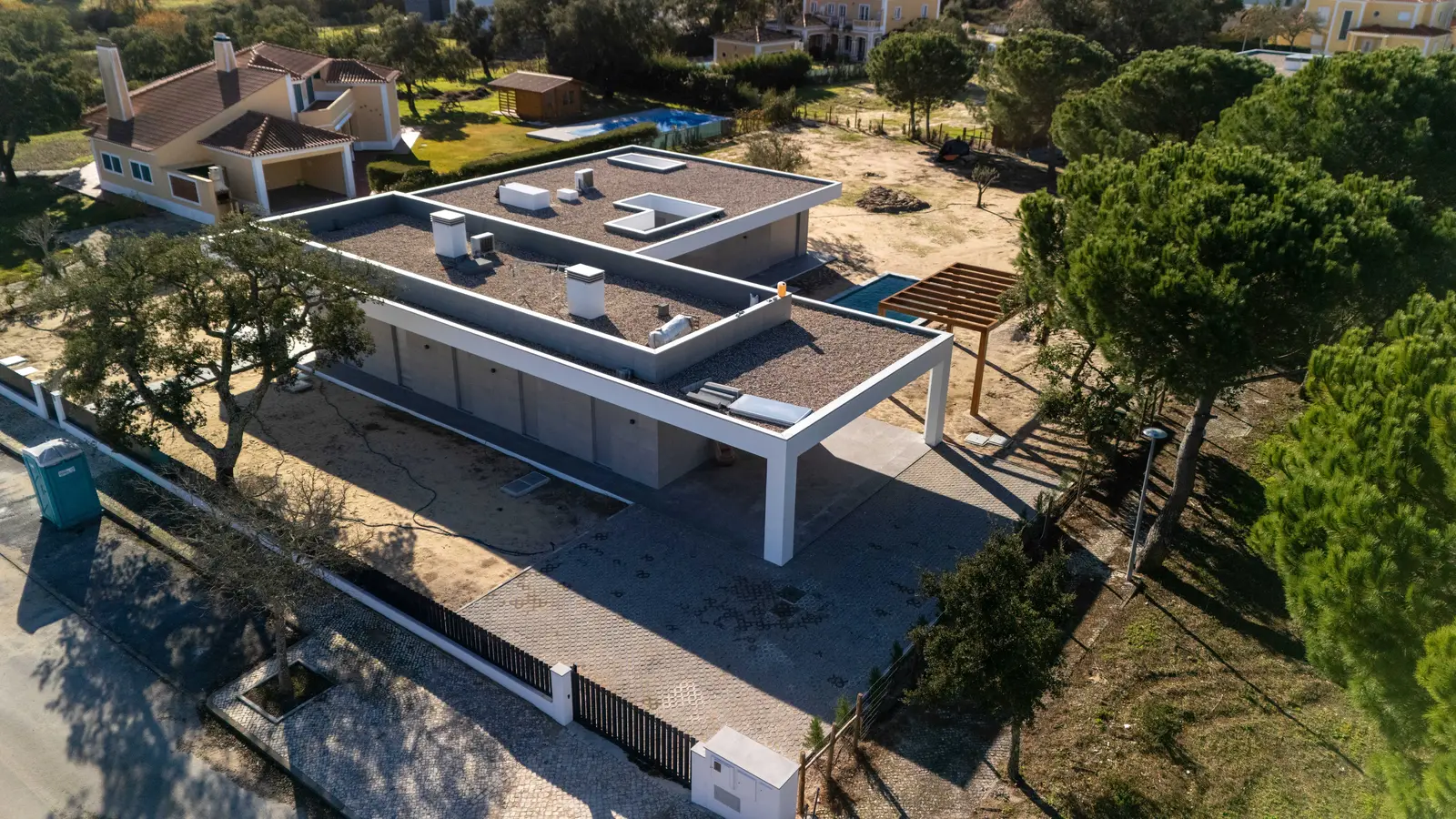
Real estate video: how to show a property without losing context
Plan real estate video with context, natural light, honest lenses and the right formats for listings and social, without creating false expectations.
- real estate video
- property photography
- architecture
 Real Estate
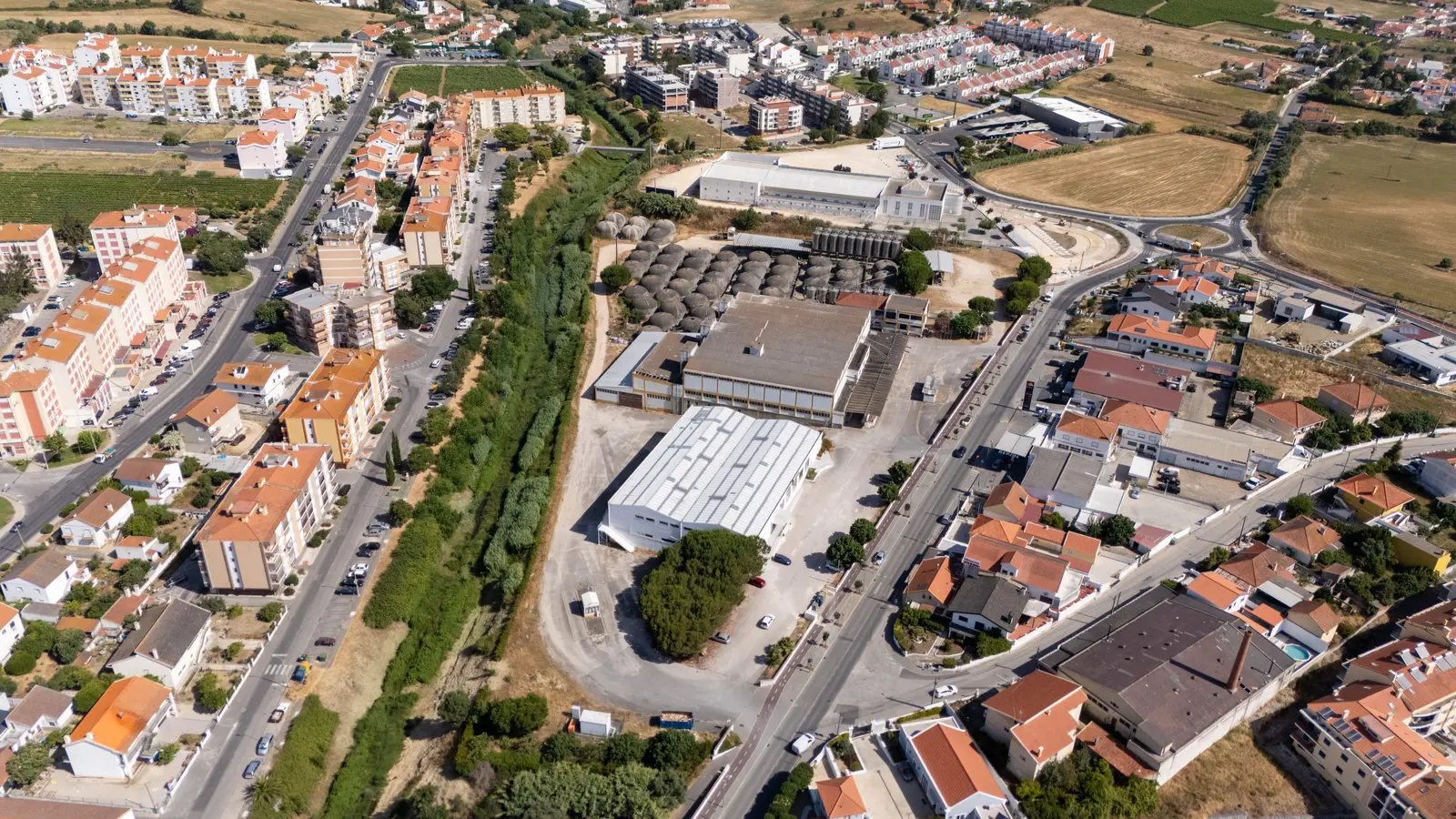
Drone in real estate video: when it adds value
When a drone adds real value to real estate video, when it does not, and what EU and Portuguese drone rules mean for planning an aerial property shoot.
- real estate drone
- property video
- aerial filming
 Strategy
Company film: how to turn a business into a clear story
A practical guide to a company film with one audience, one central idea, real evidence, useful interviews and versions planned for every channel you use.
- company film
- corporate video
- business storytelling