
Real estate video: how to show a property without losing context
Plan real estate video with context, natural light, honest lenses and the right formats for listings and social, without creating false expectations.
- 01
Context (location, access, light and surroundings) explains a property's value as much as its rooms do.
- 02
Every camera movement should answer a concrete question a buyer would ask.
- 03
Lenses and editing should flatter the space without distorting proportion or creating expectations the viewing contradicts.
- 04
Planning 16:9, 9:16 and photography on the same shoot keeps the listing consistent across portals, campaigns and social media.
- 05
A brief with floor plan, audience, channels and restrictions frees shooting time for the images.
Quick answer
To show a property without losing context, a video has to explain where it is, how people move through it and how light enters, rather than simply listing rooms. That means a deliberate sequence (surroundings, entrance, social areas, private rooms, a distinctive feature), lenses that respect proportion and a brief that tells the crew who the likely buyer is. The images can and should be attractive, but they must match what the viewer will find on the day of the viewing.
Filming property requires balance. Images should be appealing but honest, presenting the architecture without creating an expectation that the real visit cannot support. In this guide we explain how DropMedia plans real estate video and photography, which decisions make a difference and which mistakes are worth avoiding.
The story starts before the door
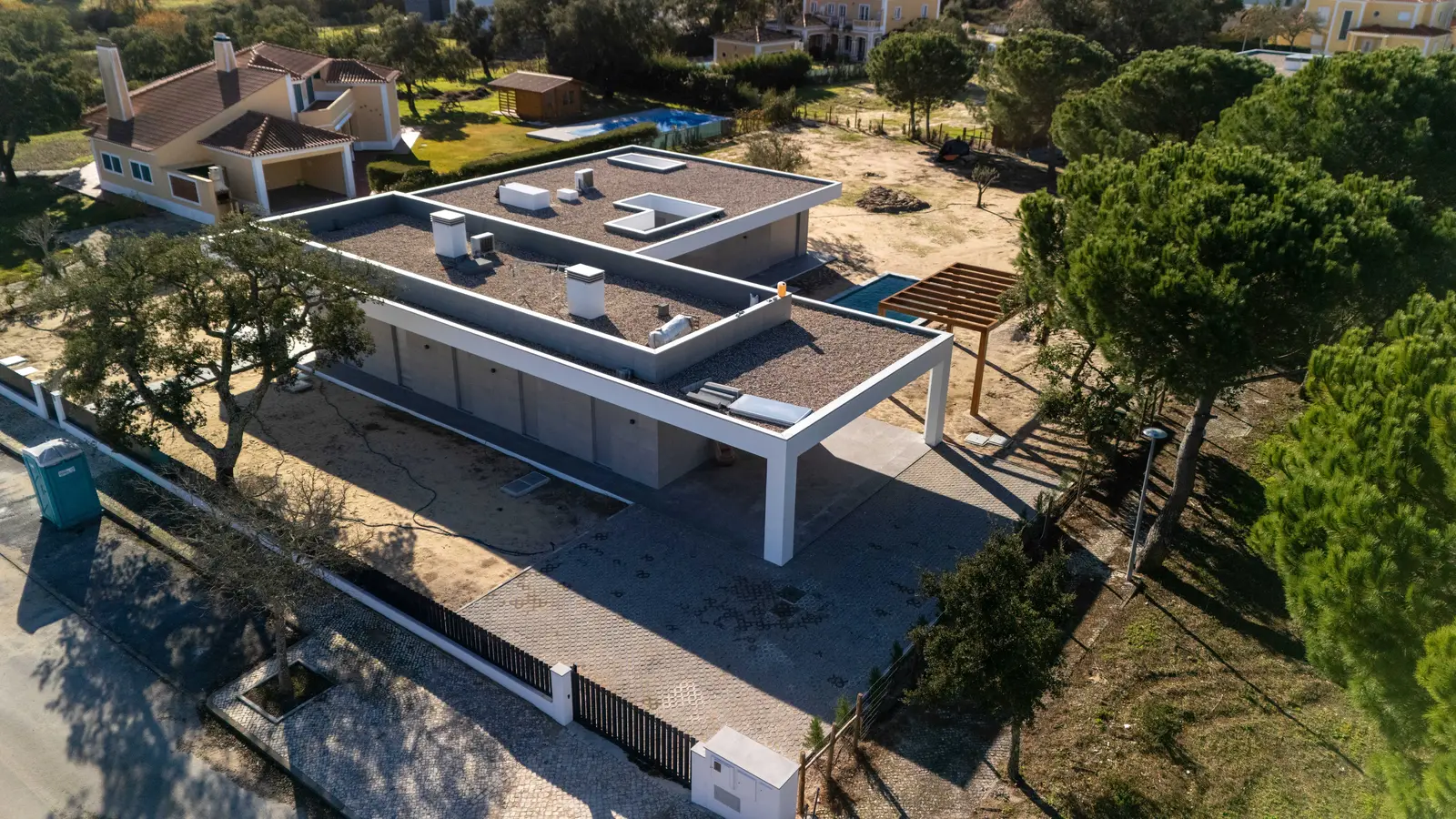
Location, access, sunlight and the relationship with the landscape help explain value. An exterior view, an aerial approach when appropriate and selected details from the surroundings place the property in context. You do not need to show everything: you need to choose what gives context to the decision.
In practice, this means answering the questions a buyer would ask if they were standing there:
- Is the property on a quiet street or a busy road?
- Does the view face the sea, the countryside, a garden or another building?
- Is there parking, a garage or easy access to public transport?
- How far is the home from services, schools or shops?
Not every answer fits into a shot. Some work better as a short caption, a photograph or a line in the listing. The film should pick the two or three that genuinely set the property apart.
When a drone adds information
An aerial shot is useful when the plot, the land, proximity to the coast or the relationship with the landscape are part of the value. For a detached house with land in Portugal's Oeste region, for example, a drone shows boundaries, access and the rural setting in a way no ground-level shot can. For a flat in an urban block, it often adds little.
Beyond usefulness, there are rules. In the European Union, the open category of drone operations requires, among other conditions, flying below 120 metres and keeping a distance from people who are not involved in the operation, as explained by EASA. In Portugal, ANAC requires operators to register when the drone weighs 250 g or more, or carries a sensor able to capture personal data, such as a camera. That is why each flight is assessed case by case: location, neighbours, restricted zones and weather. We go deeper in our article on when drone footage adds value to real estate video.
Movement with a purpose
Slow movement can reveal depth and connections between rooms. Static frames help viewers read proportion and materials. The camera should follow natural circulation rather than move only to make a shot look more dramatic.
A simple rule we use on set: every movement must answer a question. "How do you get from the kitchen to the living room?" justifies a short move between the two. "How high is the ceiling?" justifies a stable shot with a reference for scale. If a movement answers nothing, it will probably be cut in the edit.
Natural light and timing
Preparing the space is part of production. Consistent lighting, clean surfaces, controlled personal items and small furniture adjustments reduce distraction. Where possible, filming is scheduled around the best light for each elevation.
A west-facing house may call for exterior filming in the late afternoon, while east-facing interiors look better in the morning. When the schedule does not allow a split shoot, the crew sets priorities: which spaces depend most on daylight and which can be filmed with controlled artificial light without losing credibility.
Build a sequence that makes the space understandable
A property film can open with context, approach the entrance, reveal the social areas, move towards private rooms and finish with a memorable feature. The order does not need to imitate a literal viewing, but it should preserve meaningful relationships: interior and exterior, living room and view, kitchen and dining area, bedroom and natural light.
| Shot type | What it communicates | Best use |
|---|---|---|
| Stable wide shot | Proportion and layout | Introduce an important room |
| Short controlled move | Depth and circulation | Connect spaces without hiding scale |
| Detail | Material, finish or function | Support a real point of difference |
| Exterior or aerial | Setting and surroundings | When location adds commercial value |
| Human presence | Lifestyle and scale | Story-led hospitality or residential work |
Attract attention without creating a false expectation
Extremely wide lenses, excessive speed or aggressive correction can make a property look impressive but untrustworthy. Lens choice should maintain useful proportions and straight lines. Editing can feel dynamic while retaining the shots a viewer needs to understand the space.
There is also a commercial and legal reason for this care. The EU rules on unfair commercial practices, summarised by the European Commission, are designed to curb practices such as giving consumers untruthful information. A film that hides a relevant limitation or distorts the size of a room may generate viewings, but also frustration and a loss of trust in the agent.
Common mistakes to avoid
- Using the widest lens in every room, making a small bedroom unrecognisable.
- Speeding the footage up to hit a running time, erasing any sense of distance.
- Filming with every light on, in mismatched colour temperatures.
- Systematically hiding a view or a corridor without that being a conscious decision by the client.
- Opening with the most spectacular shot and never returning to context.
Direct the film around the commercial objective
A family home may emphasise circulation, daylight and connections between rooms. An investment asset needs location, flexibility and objective information. Hospitality requires atmosphere and experience. Author-led architecture may need more time for geometry, material and changing light. The same fixed shot list cannot serve all of these decisions well.
Three example approaches
Family home. The story favours the link between kitchen, living room and outdoor space, light across the day and the layout of the bedrooms. A discreet human presence can help viewers read scale.
Investment flat. The focus is location, access, condition and flexibility of the spaces. More objective framing, informative captions and a short running time.
Holiday let or guesthouse. Experience matters more: breakfast on the terrace, the pool, the surroundings. Lifestyle has its place here, as long as it matches what guests will actually find.
How long should the film be
There is no single right length for every property. A well-located two-bedroom flat rarely needs a long film: it needs to show the layout, light and surroundings clearly. A country estate with several buildings, land and a pool may justify a more developed piece, supported by short cuts for social media. The useful question is a different one: how much time does the right person need to decide whether to book a viewing? Anything after that tends to be repetition. In the edit, we first remove shots that show the same space from a similar angle, and only then adjust the pace.
Video and photography work together
Video creates sequence, atmosphere and rhythm. Photography lets people inspect details and compare spaces. A shared visual direction makes the listing consistent across portals, presentations, campaigns and social channels.
At DropMedia, video and photography are planned together, with the director of photography and the photographer sharing references for light and framing. This avoids photographs showing a bright home while the film shows a different one, or the other way round.
Deliverables that work together
- A main 16:9 film for the listing page, portals and presentations.
- A vertical 9:16 cut for social discovery.
- Horizontal and vertical photographs for the listing.
- Clean short clips for paid campaigns.
- A captioned or graphic-led version where information matters.
- A thumbnail that makes an accurate promise about the property.
Format matters because each platform treats video differently. On YouTube, for example, vertical or square videos of up to three minutes are categorised as Shorts, while 16:9 is treated as long-form video, according to YouTube Help. Planning framing for both formats on the shoot avoids forced crops that lose information. We explain these choices in our article on horizontal and vertical social video formats.
Brief the production team properly
Before filming, share floor plans, areas, access details, building rules, differentiating features and restrictions. Describe the likely buyer or user. A family home, an investment asset and a hospitality space require different narratives.
A practical list to send:
- Floor plan and verified areas.
- Exact address, access and parking for the crew.
- Target audience and publication channels.
- Publication date and delivery deadline.
- Features that must appear.
- Restrictions: building management, neighbours, times, spaces that should not appear.
- Whether people, animals, vehicles or an operating business will be present.
Better context lets the crew spend its time creating images instead of searching for missing information. For physical preparation, our checklist for preparing a property for video and photography covers cleaning, lighting and personal items.
How DropMedia approaches a property
The process follows the same phases we apply to any production, described on our Commercial page: briefing, pre-production, capture, post-production and delivery in the formats each channel needs. In pre-production we assess the property, the light and whether a drone flight is viable. In post-production, colour grading aims to reproduce the real light of each space, without saturation that the viewing would contradict. You can see examples in our real estate visuals work.
The team is based in Sobral de Monte Agraço and works regularly across the Oeste region, Torres Vedras and Lisbon, as well as elsewhere in Portugal. Knowing the region helps us anticipate access, light and surroundings.
The aim is not to make a property look larger than it is. It is to make its real value legible.
References
- EASA: Open Category, Low Risk, Civil Drones
- ANAC (Portuguese Civil Aviation Authority): UAS operator registration
- European Commission: Unfair Commercial Practices Directive
- YouTube Help: how videos are categorised as Shorts
Frequently asked questions
How long does property filming take?
It depends on the area, number of spaces, available light and requested formats. We set the plan after assessing the property and, when orientation justifies it, split filming across different times of day.
Is drone footage always necessary?
No. A drone is useful when location, land or exterior architecture adds relevant information, and we only fly when the operation is viable and complies with the rules for that site.
Should I book video and photography together?
Yes, whenever possible. Captured with the same visual direction, video and photographs keep a consistent reading of light and colour across the listing, campaign and social channels.
Can the video hide a property's flaws?
Framing can favour what has value, but it should not distort dimensions or conceal relevant limitations. Misleading images lead to frustrated viewings and lost trust.
 Real Estate
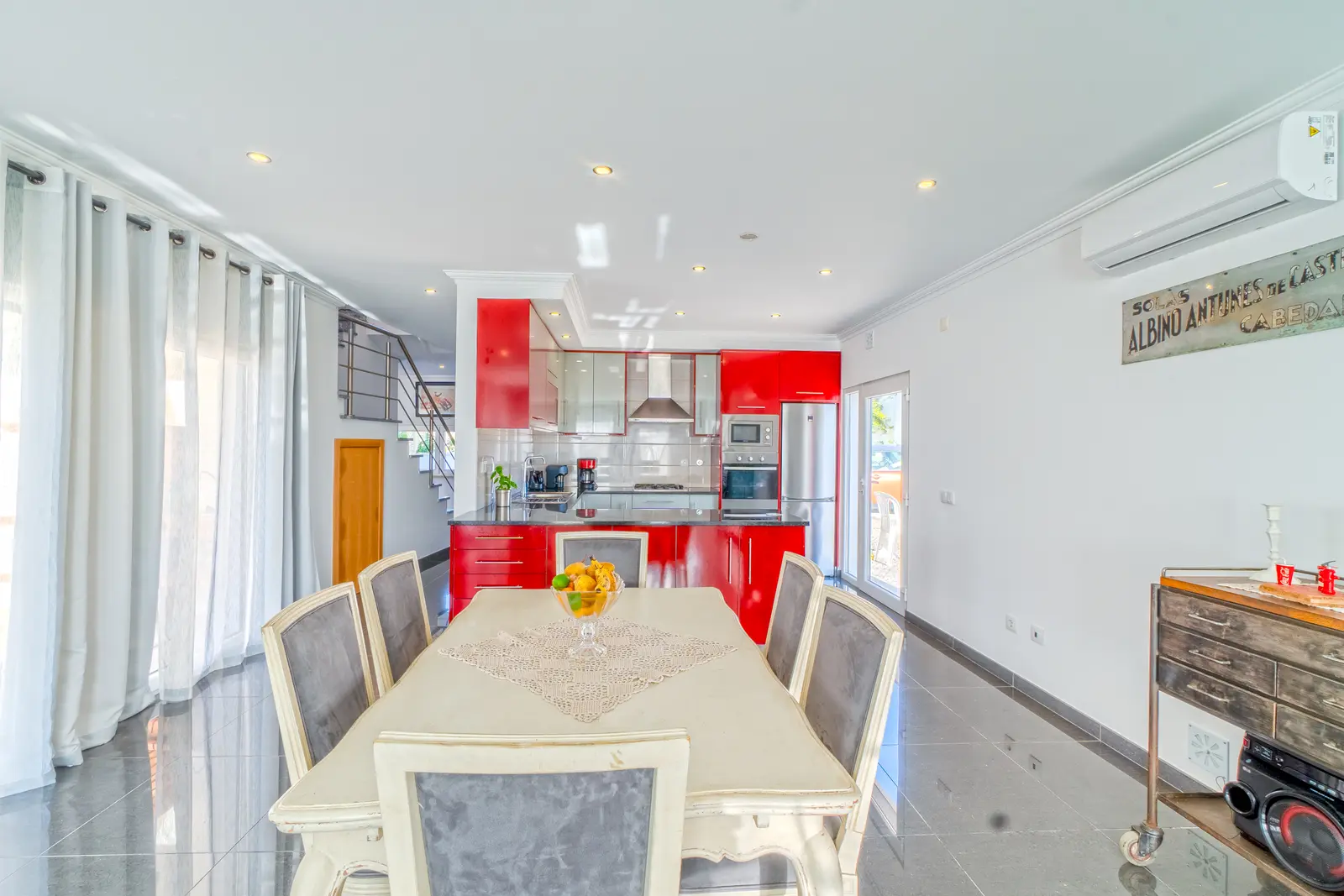
Checklist for preparing a property for video and photography
A practical checklist to prepare a property for video and photography: staging, exterior, privacy, light, access and how to organise the shoot day.
- prepare property
- property photography
- real estate video
 Real Estate
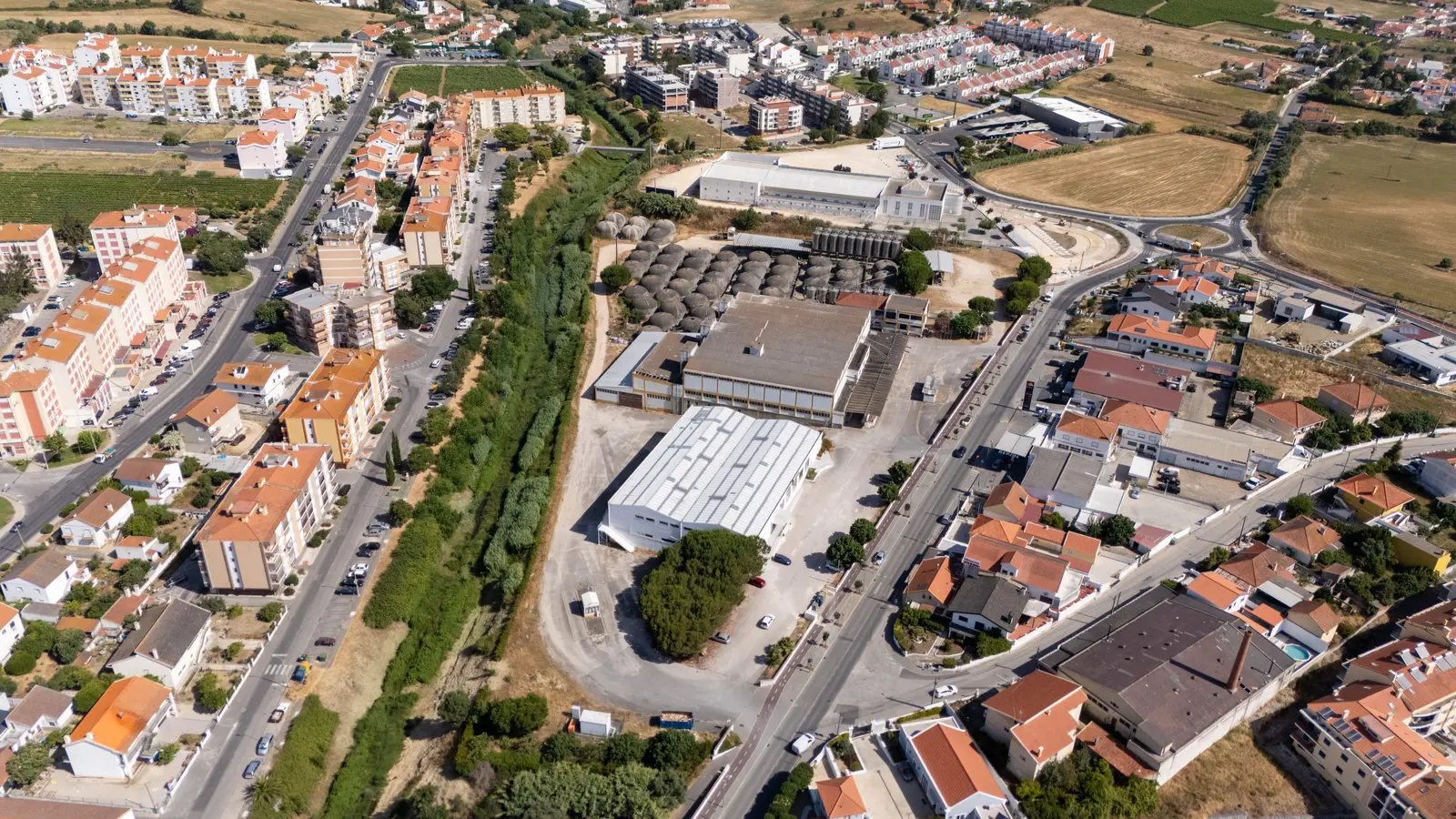
Drone in real estate video: when it adds value
When a drone adds real value to real estate video, when it does not, and what EU and Portuguese drone rules mean for planning an aerial property shoot.
- real estate drone
- property video
- aerial filming
 Strategy
Company film: how to turn a business into a clear story
A practical guide to a company film with one audience, one central idea, real evidence, useful interviews and versions planned for every channel you use.
- company film
- corporate video
- business storytelling